
Why Timely Tax Filing Is Critical for Business Continuity
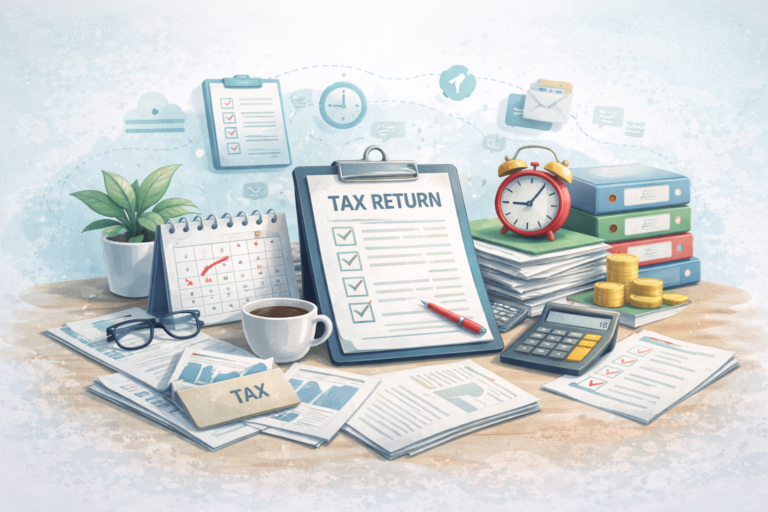
Staying Compliant, Credible, and Operationally Strong
In today’s regulated business environment, tax compliance is not just a statutory obligation—it is a fundamental pillar of business continuity. Timely tax filing ensures that businesses remain legally compliant, financially stable, and operationally uninterrupted.
Delays or inconsistencies in tax filings often lead to penalties, interest costs, blocked refunds, and increased scrutiny from authorities. More importantly, non-compliance can affect banking relationships, funding eligibility, and stakeholder confidence.
At HS Associates, we frequently work with businesses that underestimate the long-term impact of delayed tax filings. This article explains why timely tax compliance is critical and how a structured approach helps businesses stay resilient and growth-ready.
Understanding the Core Issue
Tax filing deadlines apply across income tax, GST, TDS, and statutory returns. While the timelines may appear procedural, they directly influence a company’s legal standing and financial credibility.
When filings are delayed, the consequences go beyond monetary penalties. Businesses may face compliance backlogs, loss of audit readiness, and difficulty responding to notices or assessments. Over time, these issues compound and disrupt normal operations.
Timely tax filing ensures accurate financial records, smoother audits, and uninterrupted access to essential business services such as banking, credit facilities, and government registrations.
Common Risks of Delayed Tax Filing
Businesses that do not prioritise timely filings often encounter
- Late fees, interest, and penalty exposure
- Ineligibility for tax refunds or carry-forward losses
- Increased risk of notices and assessments
- Disruptions in bank loans, renewals, or credit facilities
- Loss of compliance credibility with regulators and stakeholders
These risks are often avoidable with disciplined compliance planning and regular monitoring.
How Timely Filing Supports Business Continuity
A structured tax compliance approach ensures predictability and operational stability. When returns are filed on time, businesses maintain clean compliance records, enabling faster decision-making and smoother interactions with authorities.
Timely filing also strengthens financial reporting accuracy, supports audit preparedness, and reduces last-minute stress during peak filing periods. For growing businesses, this discipline becomes critical as regulatory scrutiny increases with scale.
Early planning allows businesses to manage cash flows effectively, anticipate tax liabilities, and avoid unexpected compliance disruptions.
Key Insight
Timely tax filing is not just about avoiding penalties—it safeguards business continuity, financial credibility, and long-term operational stability. Proactive compliance reduces risk and enables confident growth.
Why Professional Guidance Matters
Tax laws evolve regularly, and compliance requirements can vary based on business structure, turnover, and industry. Professional advisors help interpret obligations accurately, track deadlines, and ensure filings align with current regulations.
At HS Associates, we support businesses with structured compliance calendars, accurate filings, and proactive advisory—helping clients stay compliant while focusing on core operations and growth.
Moving Forward with Confidence
Timely tax filing strengthens a business’s foundation and protects it from unnecessary risk. When compliance is proactive and structured, it becomes a strategic advantage rather than an administrative burden.
If you need support with tax filings, compliance planning, or advisory, our team is here to help you stay compliant, prepared, and business-ready.